


Introduction
As businesses expand internationally, trademark squatting has become an increasingly common challenge. This case highlights how timely trademark monitoring and a strong evidence-based opposition successfully prevented a third party from registering copies of the TRUEMAX trademark in Pakistan.
Background
TRUEMAX is a global manufacturer of engineering machinery, providing integrated R&D, manufacturing, quality inspection, and logistics services. Products including stone crushers, concrete equipment, construction elevators, and aerial work platforms are exported to more than 100 countries and regions. To support its international business, the TRUEMAX trademark has been registered in nearly 50 countries, including Pakistan.
Discovery of the Infringing Applications
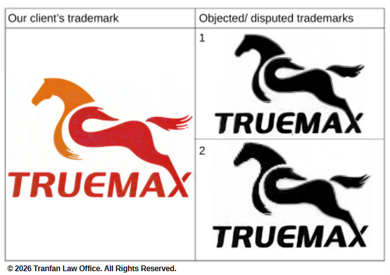
In May 2018, during routine trademark monitoring, our firm discovered that a Pakistani company had applied to register a “TRUEMAX and device” trademark that closely copied our client’s existing logo and overall presentation. The same applicant also filed a similar “YOYOMAX and device” mark using nearly identical graphic elements.
Although the applications covered different goods, including computer accessories and stationery in Classes 9 and 16, the imitation clearly sought to capitalize on TRUEMAX’s established reputation.The contested applications were:
Opposition Strategy
In June 2018, TRUEMAX instructed our firm to oppose all three applications before the Pakistan Trademark Office.
To establish prior rights and demonstrate bad faith, we submitted comprehensive evidence, including:
- Trademark registration certificates;
- Copyright certificates;
- Sales records;
- Advertising materials;
- Exhibition participation in Pakistan; and
- Evidence of prior commercial use.
The evidence demonstrated that the disputed marks were deliberate copies of the client’s earlier trademark and had been filed in bad faith.
Decision
After approximately two years of examination, the Pakistan Trademark Office issued its decisions in May 2020, refusing registration of all three contested applications.
The successful oppositions protected TRUEMAX’s brand and prevented unauthorized parties from obtaining exclusive rights over imitative trademarks.
Key Takeaways
This case illustrates the importance of proactive international trademark protection. Businesses entering overseas markets should:
- Register trademarks in key jurisdictions before expansion;
- Continuously expand international trademark coverage as business grows; and
- Conduct regular trademark monitoring to identify and challenge bad-faith filings at an early stage.
Early registration and timely enforcement remain the most effective and cost-efficient means of protecting valuable brands in global markets.